
Understanding the psychological effects of gambling on decision-making behaviors
The Nature of Gambling and Decision-Making
Gambling is a complex activity that taps into various psychological mechanisms. It often involves risk-taking and uncertainty, which can significantly influence decision-making behaviors. Individuals may find themselves in situations where their ability to evaluate risks and rewards becomes distorted. This distortion can lead to poor decisions, driven by emotions rather than logical reasoning. Some online platforms, such as no kyc casinos, amplify these effects by removing barriers to access.

The thrill of gambling activates brain regions associated with reward, creating a sense of excitement. This heightened emotional state can cloud judgment, causing gamblers to make impulsive decisions. Understanding how these psychological factors play a role in decision-making is crucial for recognizing patterns of behavior that can lead to gambling addiction.
Psychological Triggers in Gambling
Psychological triggers, such as excitement, stress, and social dynamics, heavily influence gambling behavior. For many, the anticipation of winning can overshadow the potential losses, creating a cycle of risk-taking. This phenomenon is often amplified by cognitive biases, such as the illusion of control, where gamblers believe they can influence outcomes despite the inherent randomness of gambling.
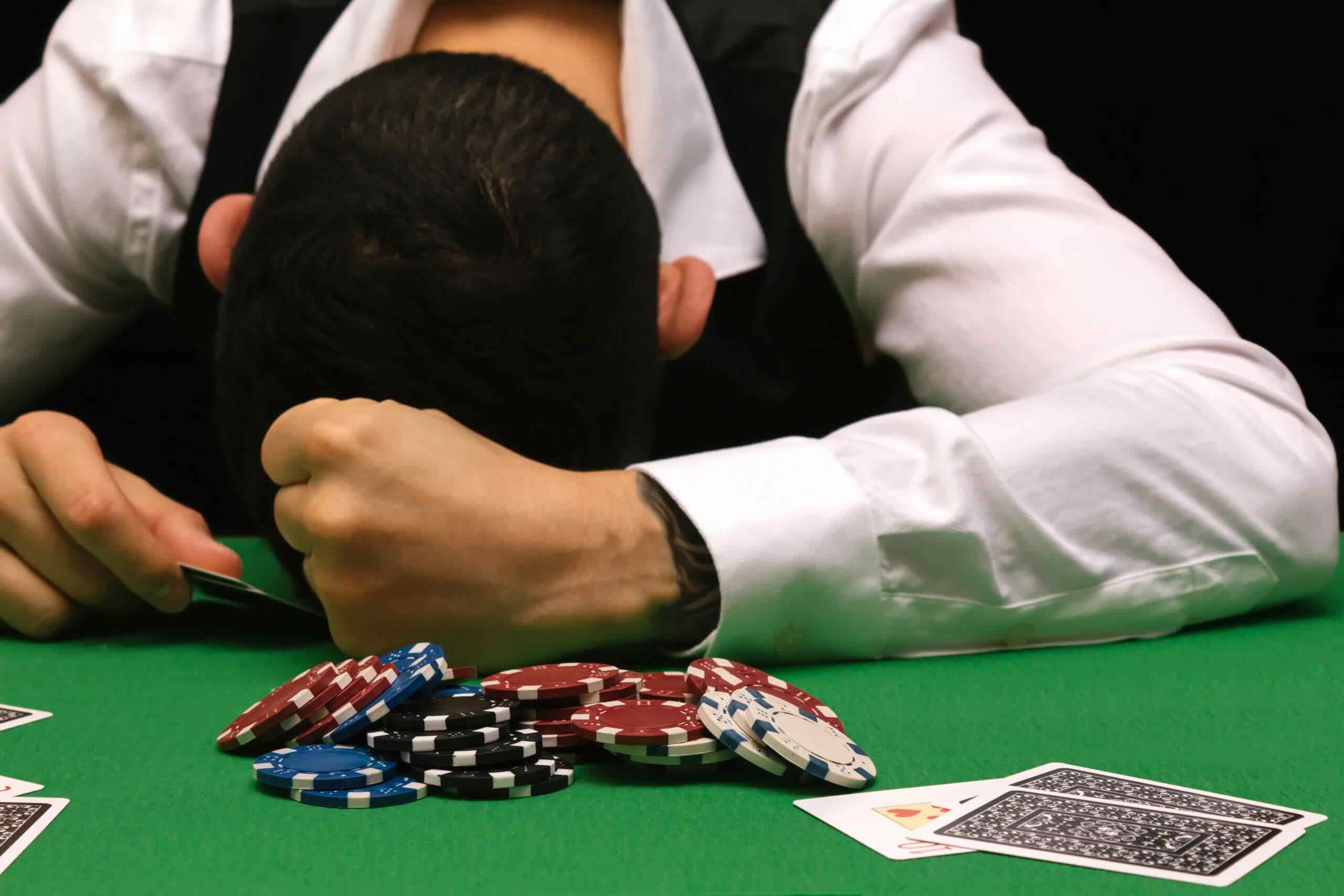
Furthermore, emotional responses to both winning and losing can have lasting effects on decision-making. Winning may lead to overconfidence, while losing can result in desperation, prompting further gambling in hopes of recovery. By understanding these psychological triggers, individuals can better navigate their decision-making processes in gambling scenarios.
The Impact of Gambling on Mental Health
The psychological effects of gambling extend beyond decision-making to overall mental health. Chronic gambling can lead to anxiety, depression, and stress-related disorders. These conditions can further impair decision-making abilities, creating a detrimental cycle where poor mental health exacerbates gambling behavior.
Additionally, the stigma surrounding gambling addiction can prevent individuals from seeking help, leading to isolation and further mental health decline. Recognizing the connection between gambling and mental health is vital for developing effective interventions and support systems for those affected.
Strategies for Healthy Decision-Making
To combat the negative psychological effects of gambling, it is essential to adopt strategies that promote healthier decision-making. Mindfulness techniques can help individuals stay grounded and make more rational choices, rather than being swept away by emotional highs and lows. Setting strict budgets and limits can also mitigate impulsive behaviors, encouraging more thoughtful engagement with gambling activities.
Education plays a critical role in fostering awareness of the psychological dynamics at play. Understanding the inherent risks and emotional triggers involved in gambling can empower individuals to make informed decisions, reducing the likelihood of developing problematic gambling habits.
About Our Website
Our website is dedicated to providing valuable insights and resources on various psychological topics, including gambling and decision-making behaviors. We aim to educate and support individuals seeking to understand the complex interplay between gambling and mental health.
We believe that informed individuals are better equipped to make healthier choices in their lives. By offering comprehensive articles and expert insights, we hope to contribute to a deeper understanding of these important issues, helping readers navigate their experiences with gambling and its psychological implications.