
The allure of randomness
At the heart of casino games is the concept of randomness, which deeply appeals to the human psyche. This allure comes from the unpredictable nature of games like slots and roulette, where players are drawn to the excitement of chance. The thrill of not knowing the outcome can evoke a sense of hope and anticipation, driving many to engage repeatedly in these games. Many players find the experience so engaging that they might turn to online casino platforms, seeking similar thrills in a digital format.
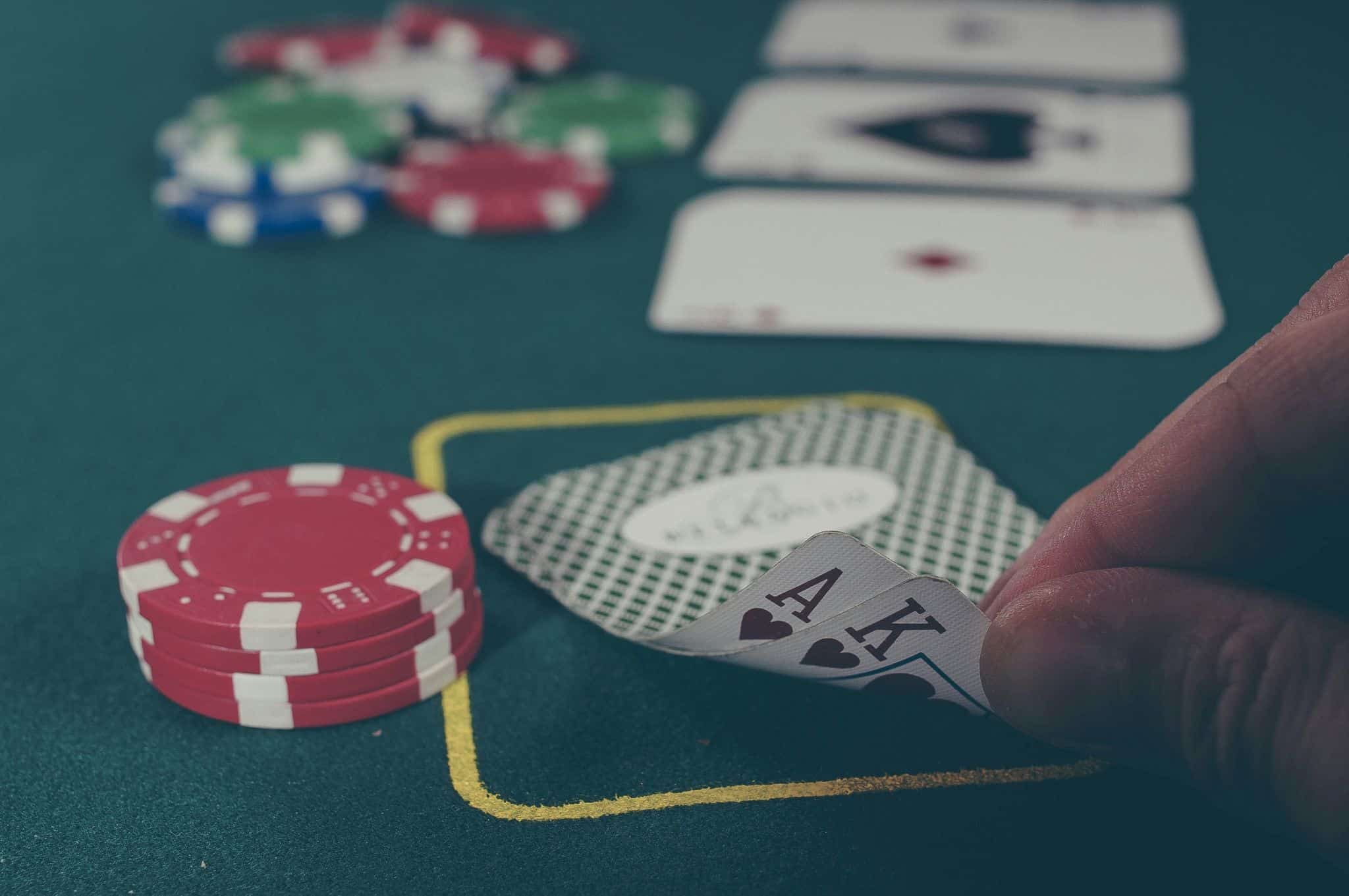
This unpredictability also provides a unique psychological release. It allows players to escape reality and focus entirely on the game, creating a temporary environment where stressors fade away. Many find this element of randomness intoxicating, leading to prolonged play and a desire to chase that elusive big win.
The role of cognitive biases
Cognitive biases significantly impact how individuals perceive and engage with casino games. For instance, the gambler’s fallacy—a belief that past events influence future outcomes—can cause players to make irrational decisions. When someone loses several rounds in a row, they may falsely believe a win is due, pushing them to continue playing despite the odds remaining unchanged.
Additionally, the illusion of control often comes into play. Players believe they can influence outcomes through strategies or betting patterns, which doesn’t change the inherent randomness of games like blackjack or poker. This cognitive distortion fuels prolonged gambling behavior, as enthusiasts cling to the misconception that they can master the game.
Social influences on gambling choices
Social dynamics significantly shape the choices players make regarding casino games. The influence of peers can be profound; people often gravitate towards games that their friends enjoy or talk about. This social proof creates a sense of community and belonging, leading individuals to engage in games like poker, which have a social gambling component.
Furthermore, the ambiance within casinos—lively sounds, bright lights, and celebratory atmosphere—enhances social interaction. The social environment can alter perceptions of risk and reward, making players more likely to try new games or bet larger amounts in the presence of others, driven by a need for acceptance and validation.
The impact of marketing and design
The strategic design of casino games plays a crucial role in influencing player choice. Game aesthetics are carefully crafted to attract and retain players, using vibrant colors, engaging animations, and appealing themes. These elements create an immersive experience, making it more likely that individuals will spend time and money on particular games.
Marketing strategies also leverage psychological principles to lure players. Promotions, jackpots, and loyalty programs are designed to create a sense of urgency and exclusivity, which can lead to impulsive decisions. This enticing advertising capitalizes on human emotions, encouraging players to choose certain games based on perceived value or potential rewards.

Combating the dark side of gambling
While the psychology behind casino game choices reveals intriguing insights, it also highlights the darker aspects of gambling. The combination of random outcomes, cognitive biases, and social influences can lead some individuals down a path of compulsive gambling, which can have severe consequences on their lives and relationships.
Websites like Stopthetraffik.com.au serve as vital resources in addressing these critical issues. They raise awareness about the potential dangers of gambling addiction and the exploitation that can occur within this realm. By providing educational resources and support, they empower individuals to make informed choices and promote a safer gambling environment.